


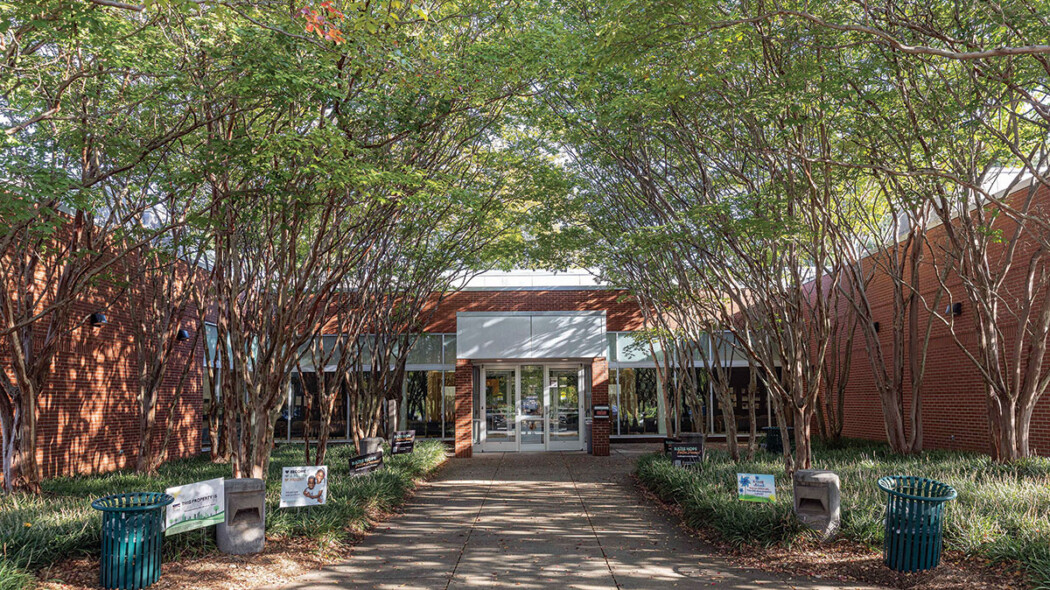
Before the last decade’s explosive growth in Wake County, Fuquay-Varina was considered “way out there” — a rural community that was no small distance from downtown Raleigh. County-based services such as energy, nutrition, and employment assistance required a trip to the Health & Human Services buildings in Raleigh, a journey made more complicated for anyone with transportation or time limitations.
To ease those hardships, the County established regional centers — hubs for services, resources, and programs that are positioned in towns and communities on the county’s periphery.
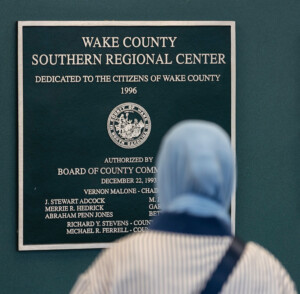
The Southern Regional Center, located on Judd Parkway near the Fuquay-Varina Community Library, recently celebrated 30 years of operation, quietly assisting the residents in the southernmost portions of Wake County with everything from paying property taxes and obtaining a marriage license to prenatal care for high-risk pregnancies and supporting foster families.
The facility operates to connect the community with the programs and resources it needs, in our own backyard. Here are 10 things you may not know about the SRC.
1. The Southern Regional Center was the first of its kind established in Wake County.
Doors opened at the SRC in 1996, the first of what would eventually expand to four (and growing) regional centers in the county.
“(Regional centers) were based on a couple principles: bringing services to the community and eliminating some of the barriers. … The biggest barrier — which today is still probably the number one — is transportation,” says Richie Hayner, director of the Southern Regional Center. “And so that barrier was reduced by putting (the center) out here. … Not everyone has a car. … Because of all the traffic and congestion, the same issue still exists.”
Regional centers were later established in Zebulon, Wake Forest, and North Raleigh, with a Cary location in the works.
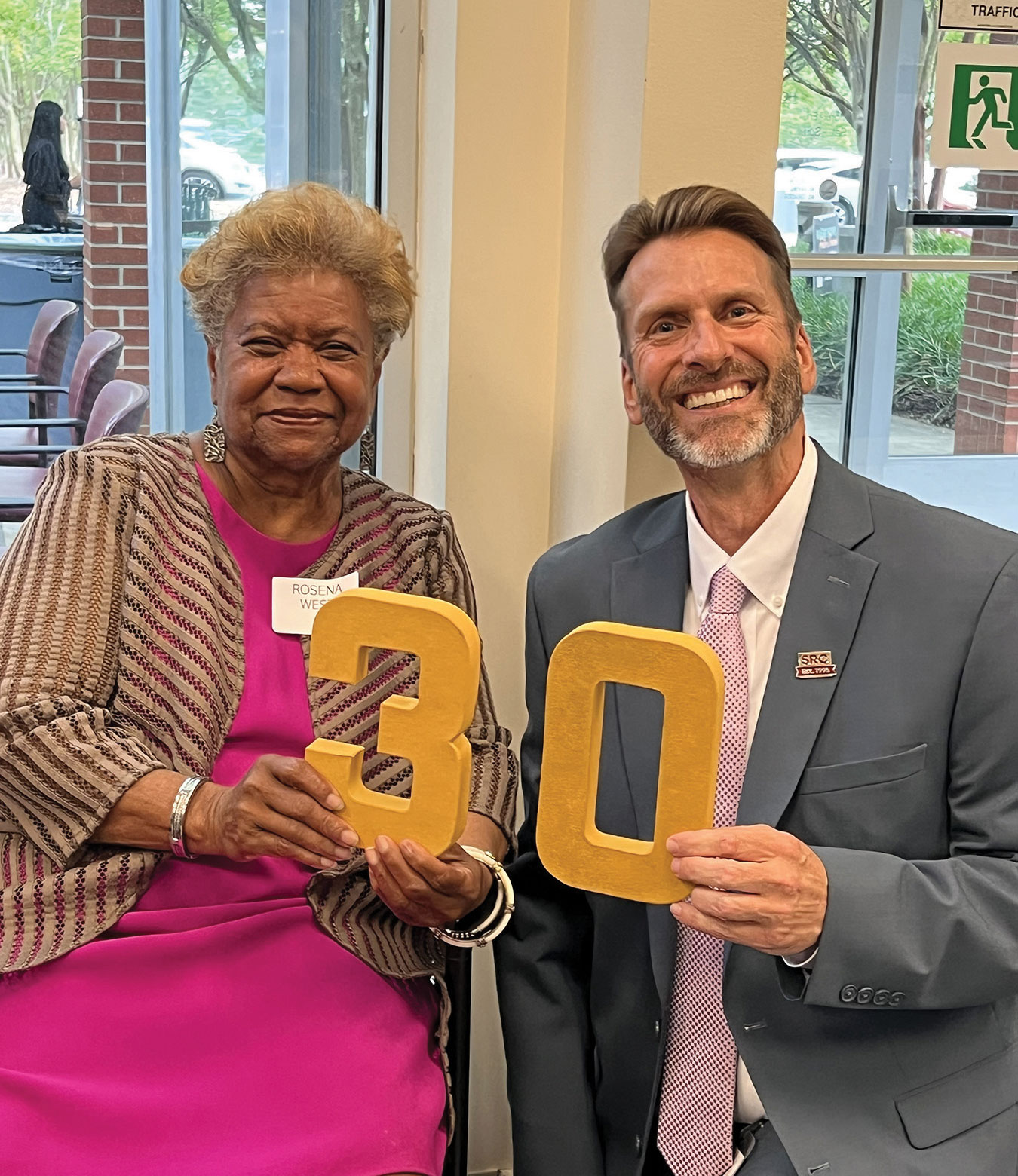
Past director Rosena West and current director Richie Hayner pictured at the center’s 30-year anniversary celebration.
2. In 30 years of operation, there have only been two directors.
Rosena West served as the SRC’s director from 1996 to 2015, followed by current director Richie Hayner, who oversees the facility’s staff and operations and works to connect the SRC to the community at large. “I see myself as the county’s face in this community,” says Richie, who first came to the SRC in 2003 working in child welfare services.
“My passion has always been driven by helping children and families — ensuring children are safe and connecting families with the resources and support they need to succeed,” he says.
As director, Richie’s focus expanded beyond child welfare, but his passion remained the same.
“My perspective shifted from a micro-level focus on individual families to a macro-level focus on strengthening the broader community. I found this expanded role both challenging and energizing.”
3. Thirteen county departments are represented at the SRC.
Behavioral Health, Board of Elections, Capital Area Workforce Development, Community Services, General Services Administration, Housing Affordability & Community Revitalization, Information Technology, Planning & Development Services, Public Health, Register of Deeds, Sheriff, Social Services, and Tax Administration, with services offered though the Public Health and Social Services departments drawing the majority of client visits.
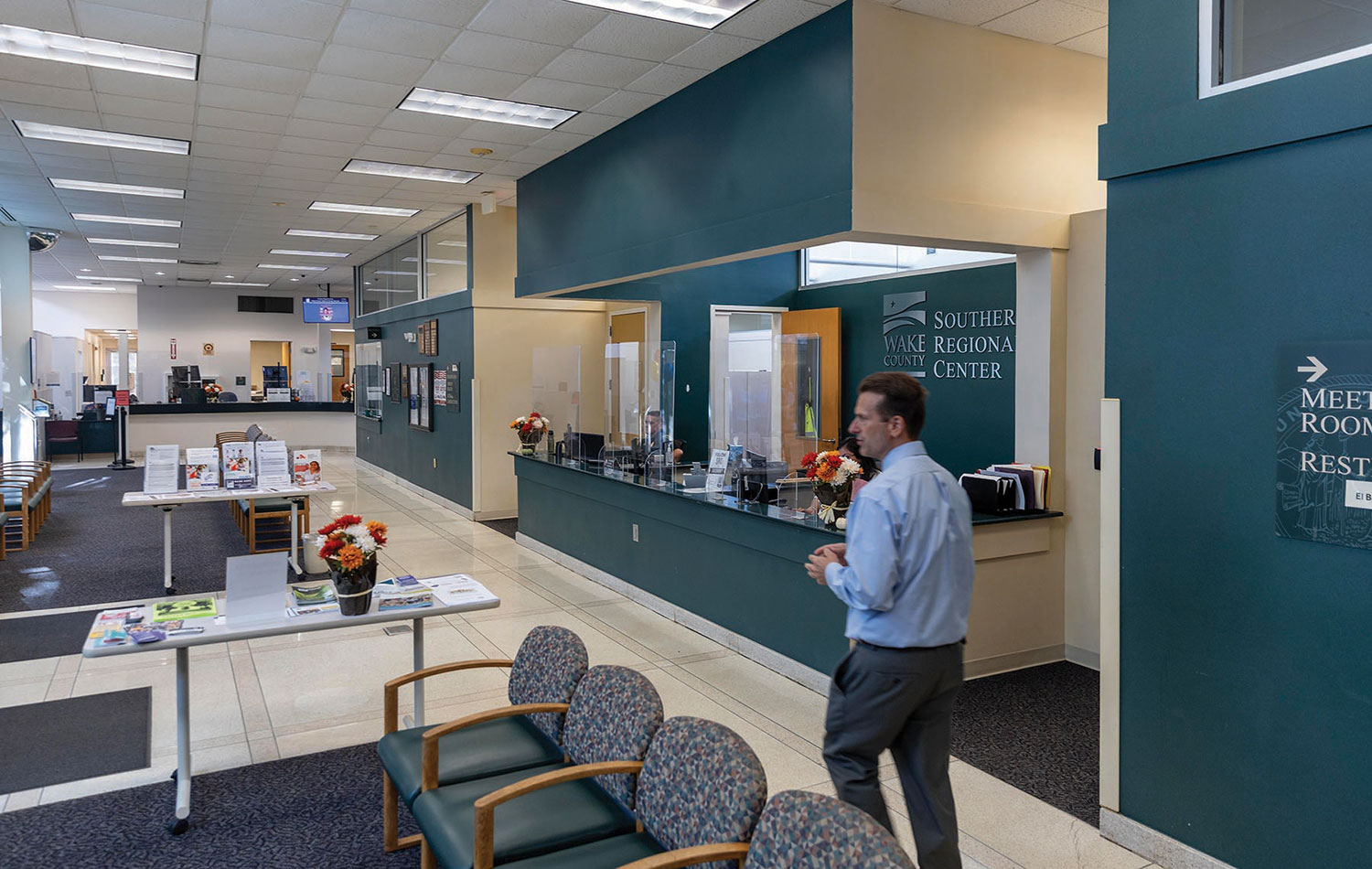
4. Residents can pay taxes in person and get a marriage license at the same place.
“The front desk staff are just amazing,” says Richie. “Our customer service specialists are cross trained in all different parts of Wake County (services). … They might take a payment and apply it to more than one account. Then the next person might be here for two birth certificates and have a question about a Medicaid case, so they jump into another system. And then they might be charting or making phone calls about a prenatal clinic visit tomorrow. The staff is trained in all those different things.”
5. Health clinics, dental clinics, and vaccinations are available free or at low cost.
Pediatric and prenatal care, STD testing and treatment, family planning, immunizations, and monthly dental clinics are offered at the SRC’s health clinic. Medicaid and most other insurance are accepted, as well as payment on an income-based sliding scale.
“We recently did a Back-to-School Kickoff for 7th and 12th graders and kindergarten — those grades that require certain vaccines,” says Richie.
During the covid pandemic, the SRC administered thousands of vaccines and tests, and distributed countless masks.
While full-service primary care isn’t a function of the SRC health clinic, their onsite partner, Amplify Health, fills that need.
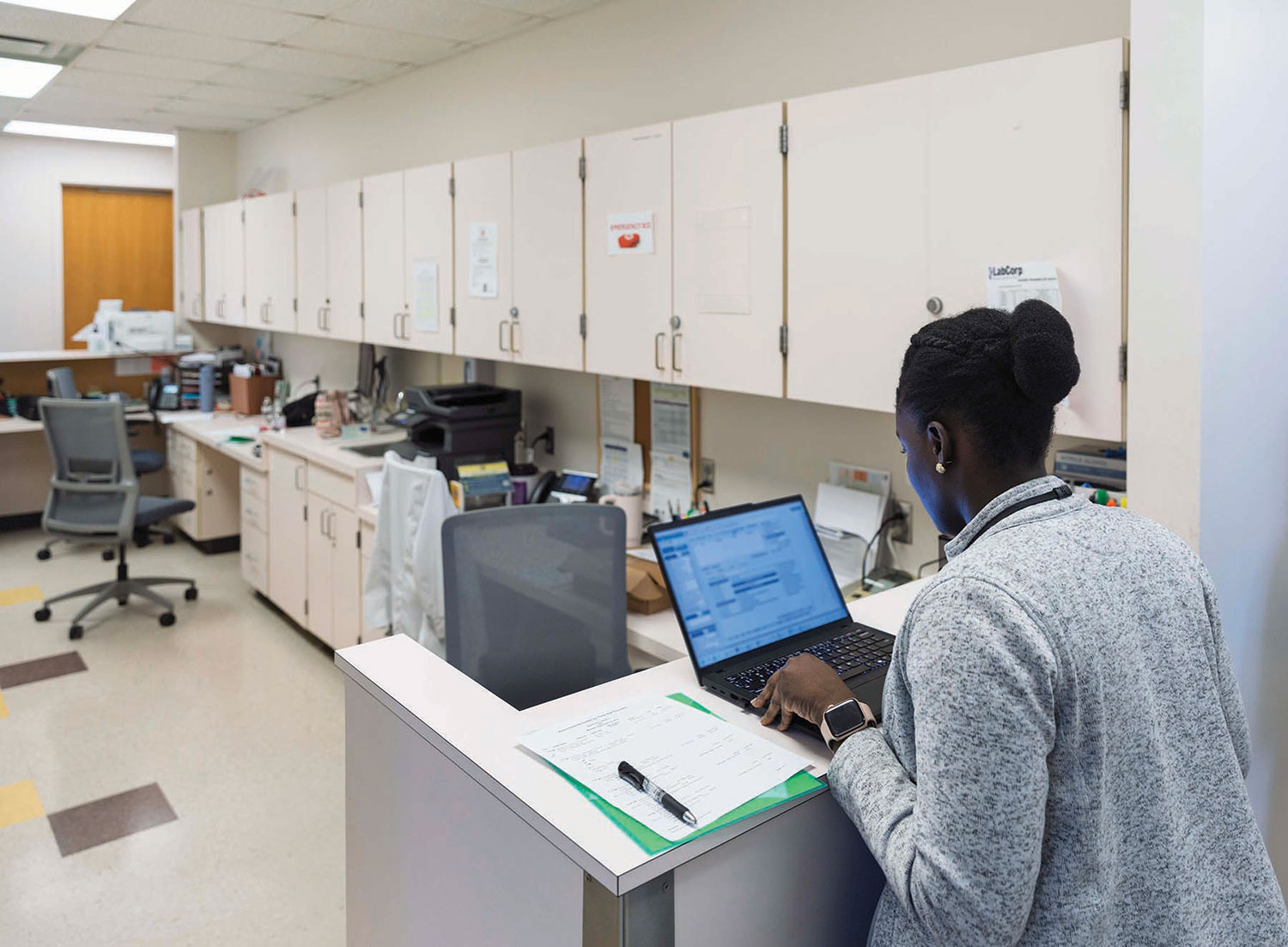
Free and low-cost health clinics offer testing, immunizations, and prenatal care.
6. Partnerships offer increased services under one roof.
“We have three facility-based partners,” says Richie. Amplify Health, a primary care provider; NC Works, “the state’s way to connect job seekers to employers”; and Monarch Healthcare, a mental and behavioral health care organization.
These partnerships serve the community with vital care and connections through a central access point.
Regional centers may look to add even more partnerships in the future. Hybrid work arrangements have opened up physical space in the SRC, which could be allocated to other organizations that can support the community’s needs, says Richie.
7. The SRC serves nearly twice as many clients as the other regional centers.
During the 2025-2026 fiscal year, the SRC logged 29,156 encounters with local residents seeking county services, roughly double the number tallied in Zebulon, Wake Forest, and North Raleigh.
“In this town, there’s a lot of needs and we’re a little bit more separated. (Fuquay-Varina) is growing and sprawling. We’re a little further away from Raleigh than some of the other townships,” Richie says.
“Everyone that comes in gets received up front with a warm welcoming customer service specialist.”
8. Most materials are available in English and Spanish.
A resource table near the building’s entrance contains various applications and brochures in English and Spanish, the two primary languages encountered at the center.
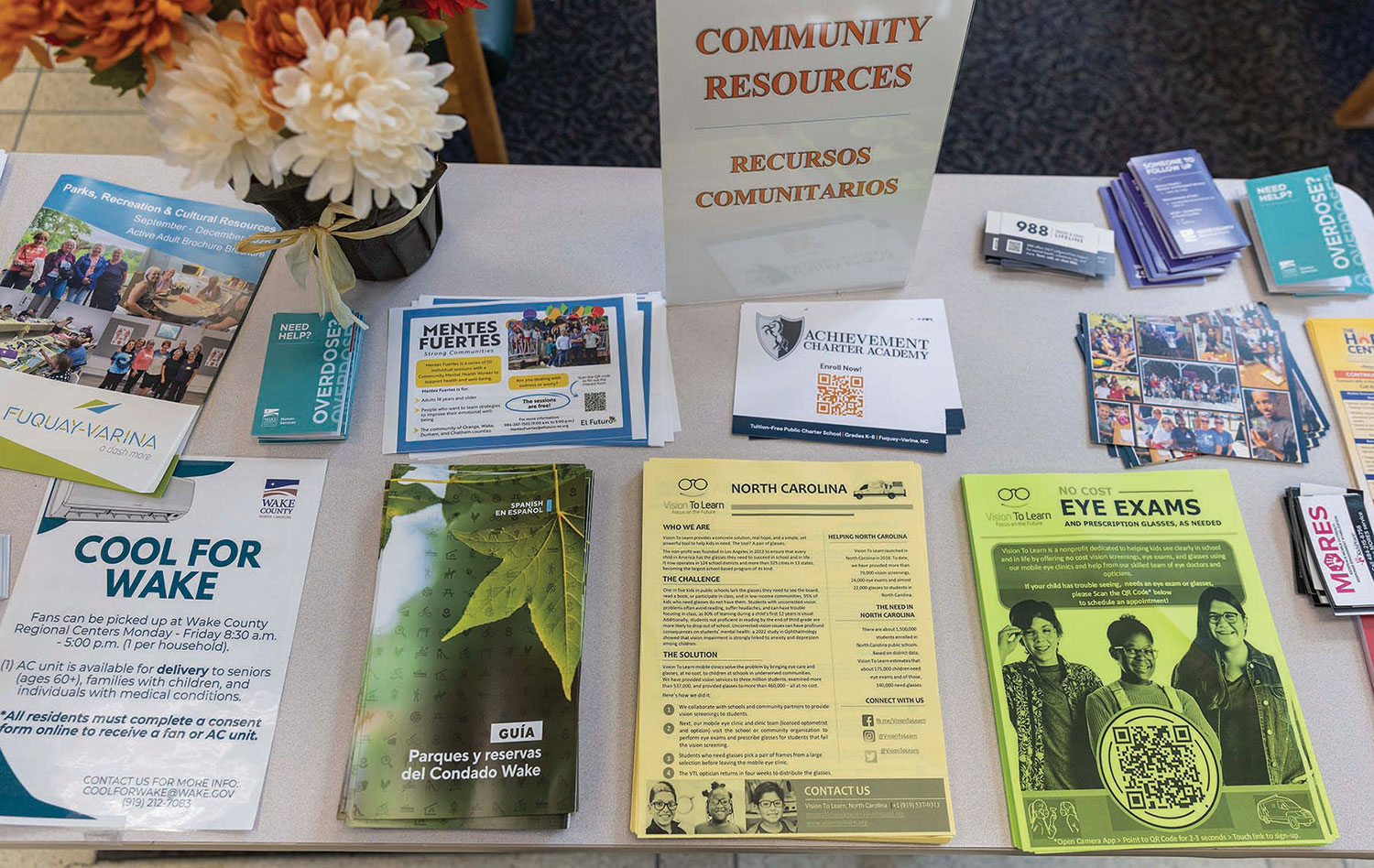
Community resources can be found in English and Spanish in the center’s lobby.
9. The SRC offers connections beyond their in-house programs.
“I want people to know that we’re a part of identifying what the community needs are and trying to be a part of that solution,” Richie says. One example is the center’s Community Advocacy Committee, a group of volunteers, county staff, and community partners that works to identify gaps in local care, share information, and collaborate on finding answers to issues like food insecurity and behavioral health challenges.
“Another role is to try to convene things on a regional perspective. So, Holly Springs doesn’t have to do its own thing, or Fuquay, Garner, or Willow Spring. I try to look more at a regional standpoint,” Richie says.
“And if you come in for something that we don’t do, we want to help make sure you can leave connected to the name of something that might help you.”
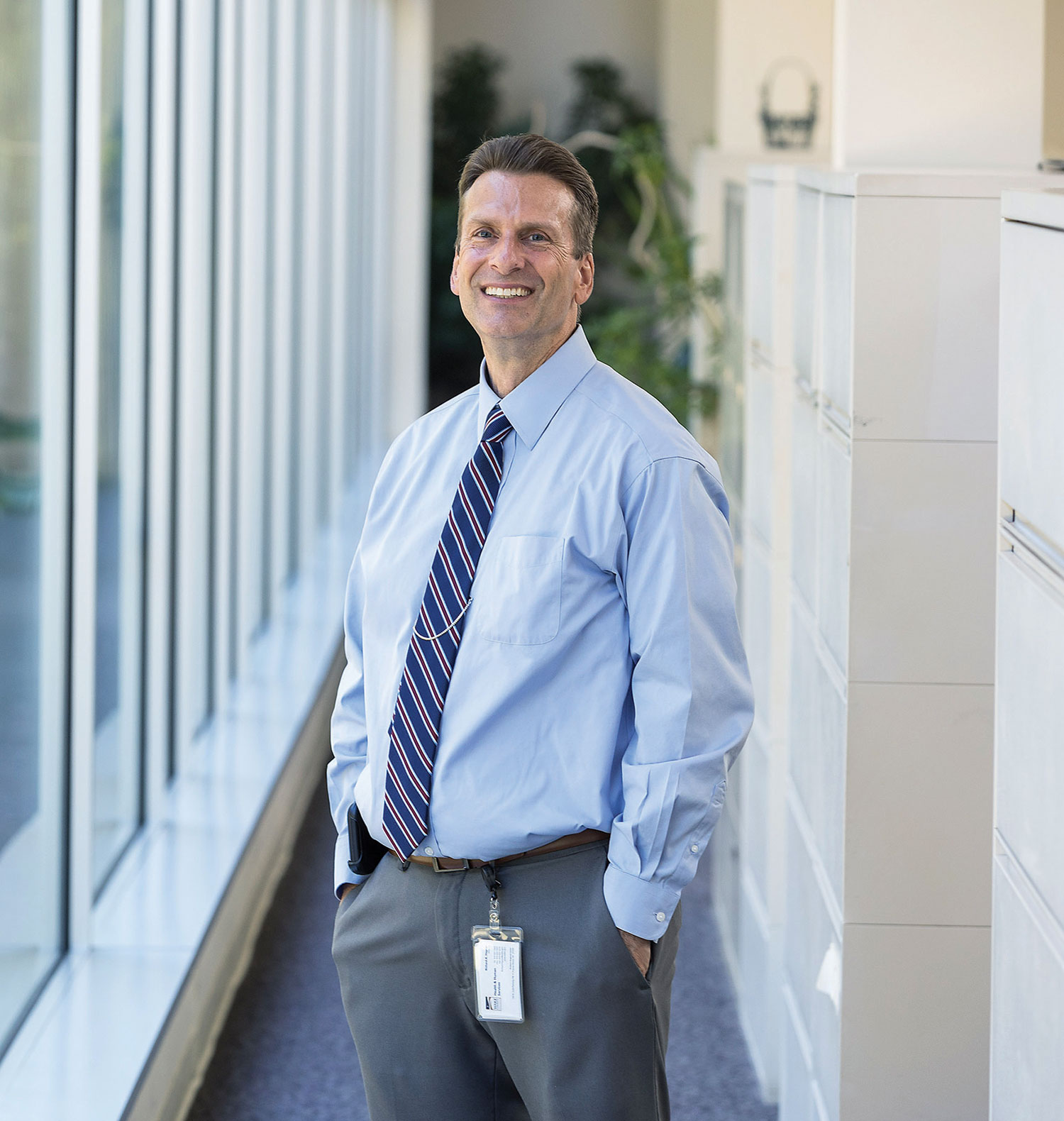
Director Richie Hayner
10. Despite technologies such as online payments and application portals, in-person support remains the center’s goal.
“Technology has increased accessibility. We have more people that are able to get services than used to. … At the same time, as more and more people (receive) services, there’s a lot more in-person touches that are needed.
“There’s people that need to come in or don’t have the technology, or run into problems moving forward. If you have a question and you really want to see a person, you go to the regional center.
We want to give a small-town, personal touch to people that need support. That’s what we really want to offer here.”
Visit the SRC online at wake.gov